When it was originally on: 2025-present
Original network: HBO
Where you can stream it now: HBO
Had I seen it before: I’ve seen about half of the first season. It’s great, but also heavy and I typically watch it with a friend, so my momentum stalled out with it.
What IMDb says: The daily lives of healthcare professionals in a Pittsburgh hospital as they juggle personal crises, workplace politics, and the emotional toll of treating critically ill patients, revealing the resilience required in their noble calling.
Why I picked it: The Pitt is the most recent Emmy winner for Best Drama, so that alone probably warrants a spot on the list. More than that, it feels like a pivot in television. The hospital drama has always been a fixture of television, and maybe the kind of thing that HBO once considered itself too good for. After the ’10s was all about Peak TV™ and challenging our ideas of what could make for good TV drama, there’s something unexpectedly refreshing about “hey, what if we just made a really good hospital drama?” The Pitt has had enough success among critics, audiences, and the industry to show just how starved we were for that sort of thing.
The fact that HBO of all networks is the one to do it raises more questions. Is the success of The Pitt going to spawn the HBO version of the legal procedural? The family sitcom? Either way, I can easily see a world where we look back 10 years from now and see The Pitt as a defining show of its time, perhaps ushering in a renaissance of classic TV concepts reinvented for modern times.
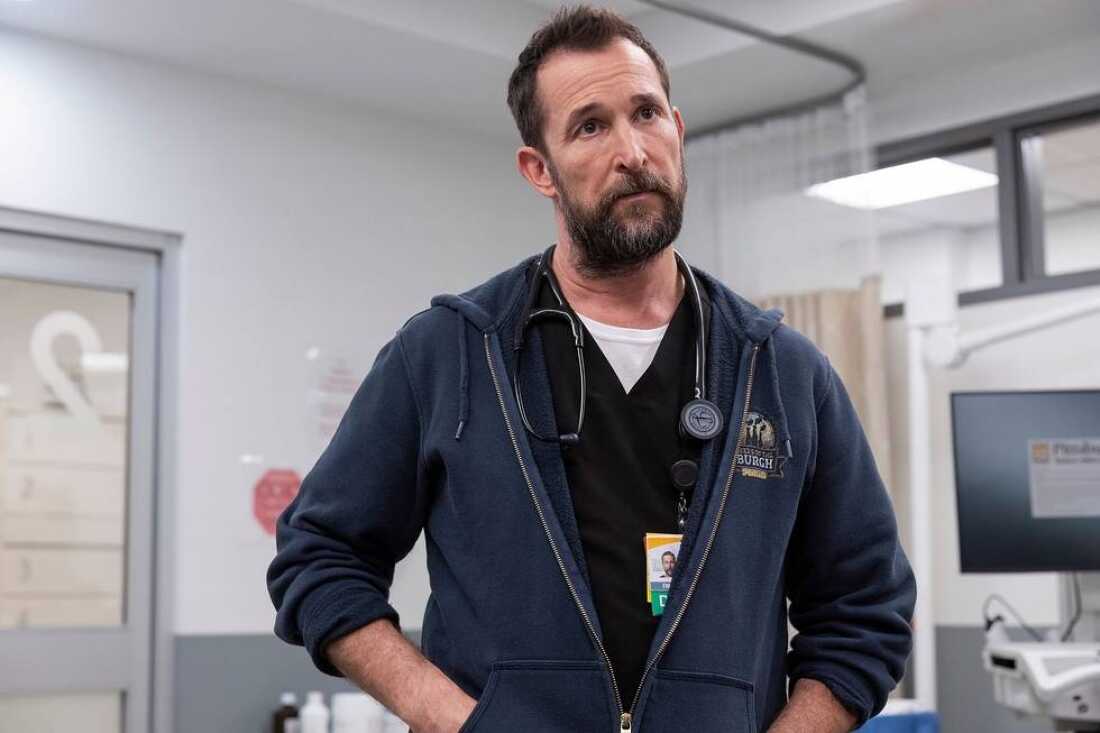
What I liked: I think the show does a masterful job of capturing the overwhelm of working in an emergency room. It takes the time to show you a waiting room crowded with patients, and they tell you pretty early on the average wait time is 12 hours. When you see Robby walk through the crowd looking overwhelmed, you don’t even need any dialog to get the feeling of how relentless this work is. We get more insight into it during a scene between Robby and the hospital manager where he says they need to hire more staff so they can admit people to the hospital faster. While Robby is trying his best to get people discharged as quickly as possible, even lecturing another doctor about it, he asserts to management that it’s ultimately their fault and they need to pay more for staff. He’s the type of guy who would never sell his team out even if they could be doing better, and that makes you like the guy. Plus, he’s most likely right and the hospital could staff up so people could be admitted faster. Furthermore, to the extent he he does care about wait times, it’s because he cares about saving as many patients as possible, not about what kind of Google reviews they might write later.
The relentless overwhelm is also captured in the sheer number of cases we deal with in this. One of the nice things about the 24 style conceit of one ER shift spread over a whole season is that The Pitt can bite off way more than it can chew in one episode, and that helps escalate the intensity. While a medical procedural by necessity would have to limit how many sick people it’s dealing with because you can only tell so many complete stories within an hour, The Pitt can introduce as many patients as it wants. Some are relatively easy, like the alcohol poisoning guy who’s a regular at the ER and is sent on his way before this episode ends. Others are harder, like the lady who had her leg screwed up by (I think?) falling on a train platform, and the guy who had a brain injury trying to save her. We still don’t know what’s going to happen there and that’s fine, it’s a reason to keep watching. I watched the pilot about 4-5 hours ago and I don’t trust myself to remember every patient thrown at this staff, and that just helps drive home the way this place feels like such a pressure cooker and you’re on edge the whole time trying to work there.
I also think that for as many characters as they had to introduce here, they did a pretty good job of establishing separate characters, and separate challenges for them to struggle with as the show progresses. Robby still hasn’t fully processed his friend and mentor’s death. Collins is pregnant. One of the medical students passed out at the sight of a gruesome injury, and maybe doesn’t have what it takes to be a doctor. Another medical student has great medical knowledge, but no emotional intelligence. One is the daughter of a well-known doctor at the hospital and is dealing with her mother’s expectations of her. We learn everything we learn without any voiceover or overly contrived exposition devices, it’s just watching people do their job.
They do a particularly good job of this with Robby, and he’s probably the most important one to develop anyway. Robby makes choices other doctors wouldn’t. He diagnoses Otis with a potassium problem due to lack of kidney function before he gets labs back. He goes ahead and treats the guy and is ultimately proven right. When the same patient needs a high-risk procedure later (something about sucking fluid out of his chest? I’m not a doctor) Robby stays calm, cool, and collected even when other doctors appear stressed and anxious. He’s right again, and the patient’s vitals return to normal. From this we learn Robby has good instincts, he trust them, and he saves patients doing that.
What I didn’t like: I guess there are still some characters that feel a little underbaked, but I don’t know that they could’ve done much better than they did given the number of hospital staff and patients they needed to introduce.
Do I want to watch Ep. 2?: Yes! Was just reminded of how good this show is and how badly I need to finish it. Though dammit, I really am saying yes to too many of these shows and there are only so many hours in the day.


One thought on “30 Pilots in 30 Days: The Pitt”